Menu Close

Giving Back

Ocean protection and education are core values of Latitude and the motivation to create Latitude in such a unique way.

Giving Back

Ocean protection and education are core values of Latitude and the motivation to create Latitude in such a unique way.

At Latitude we are convinced that the conservation of marine megafauna will largely depend on the success of collaborative work. Joining efforts between the Scientific sector, the tourism sector and the fishing sector is essential for the generation of knowledge.
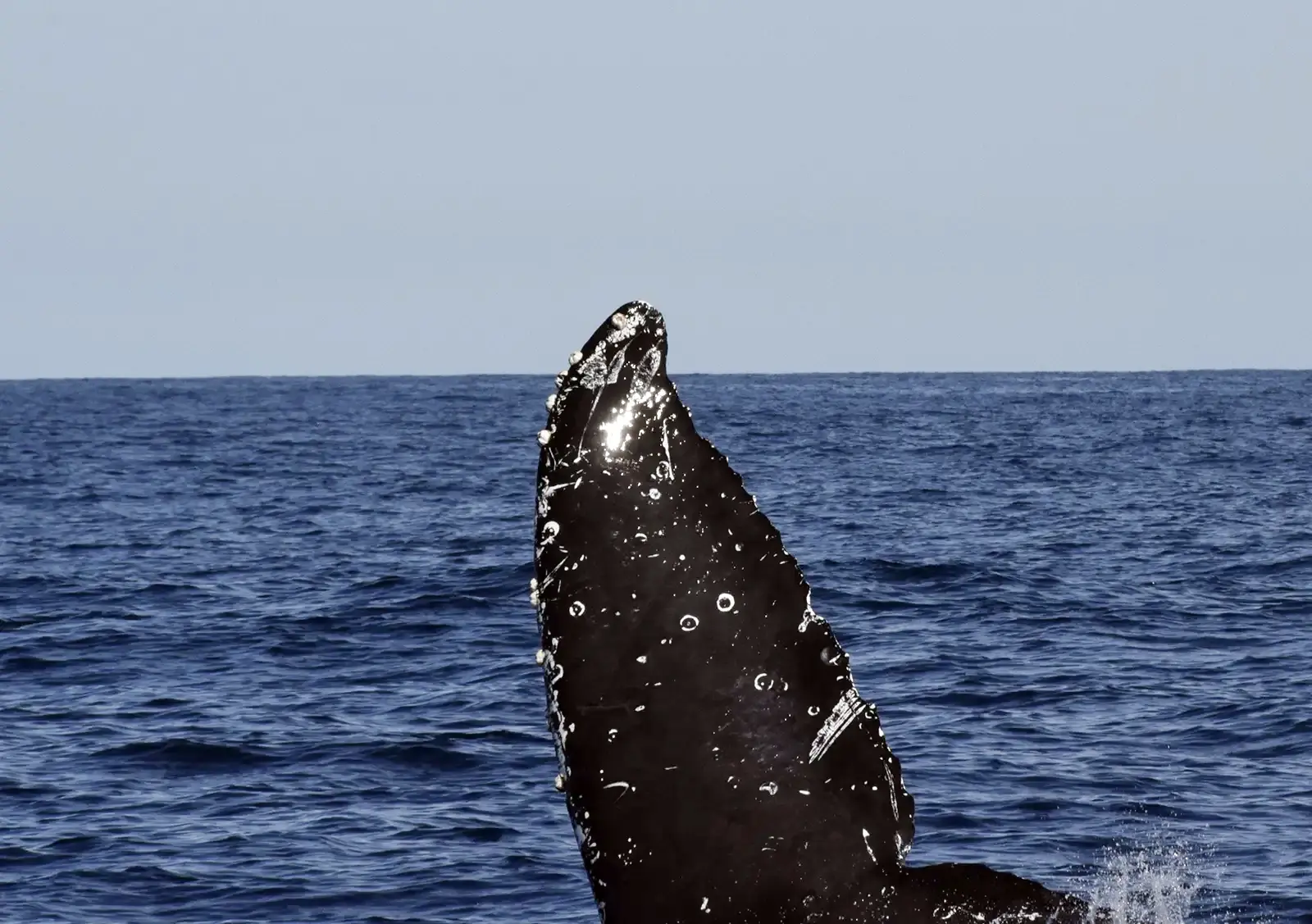
In particular, monitoring, data collection and citizen science through tourism, are a viable, desirable and necessary option, not only for the acquisition of scientific knowledge, but also for the dissemination of knowledge, and the generation of values and environmental awareness.
At Latitude we are convinced that the conservation of marine megafauna will largely depend on the success of collaborative work. Joining efforts between the Scientific sector, the tourism sector and the fishing sector is essential for the generation of knowledge.
In particular, monitoring, data collection and citizen science through tourism, are a viable, desirable and necessary option, not only for the acquisition of scientific knowledge, but also for the dissemination of knowledge, and the generation of values and environmental awareness.
 

Data Collection in the field

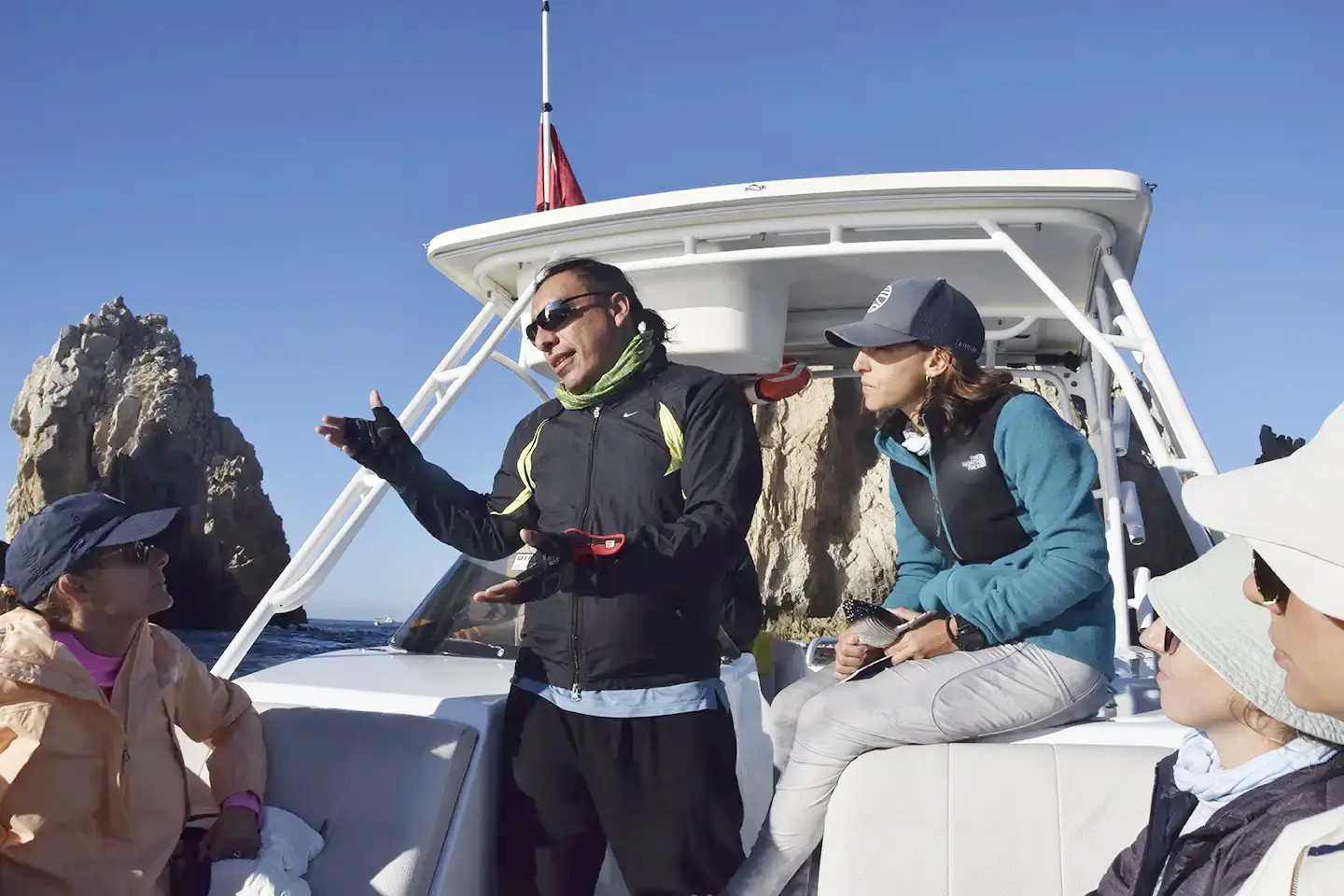
Citizen Science is a collaboration between scientists and us the citizens who are motivated to help

As we face more changes on the planet and realize how little we really know about our world, we can be a part of the research that has the power to make discoveries that could change the world.
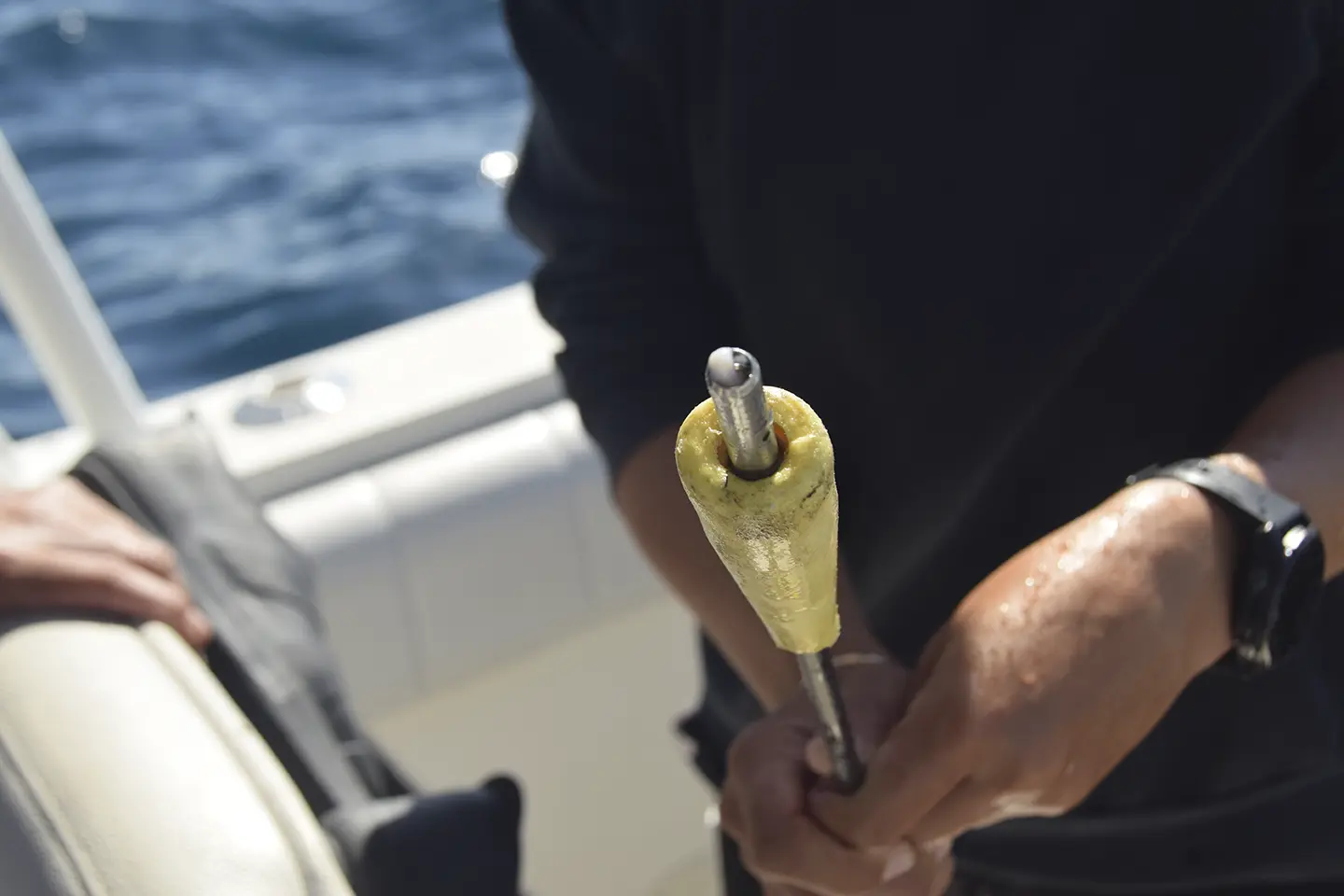
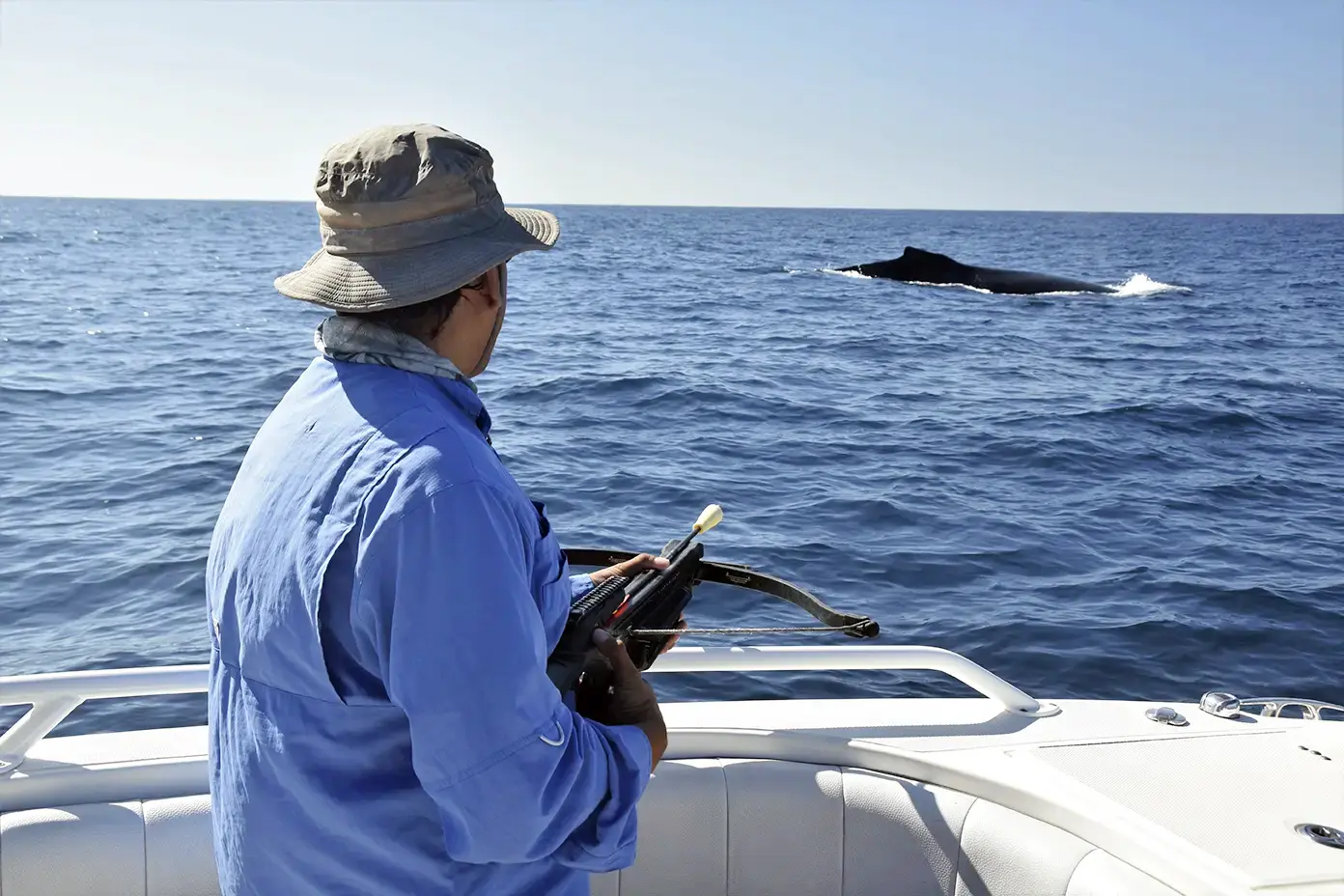
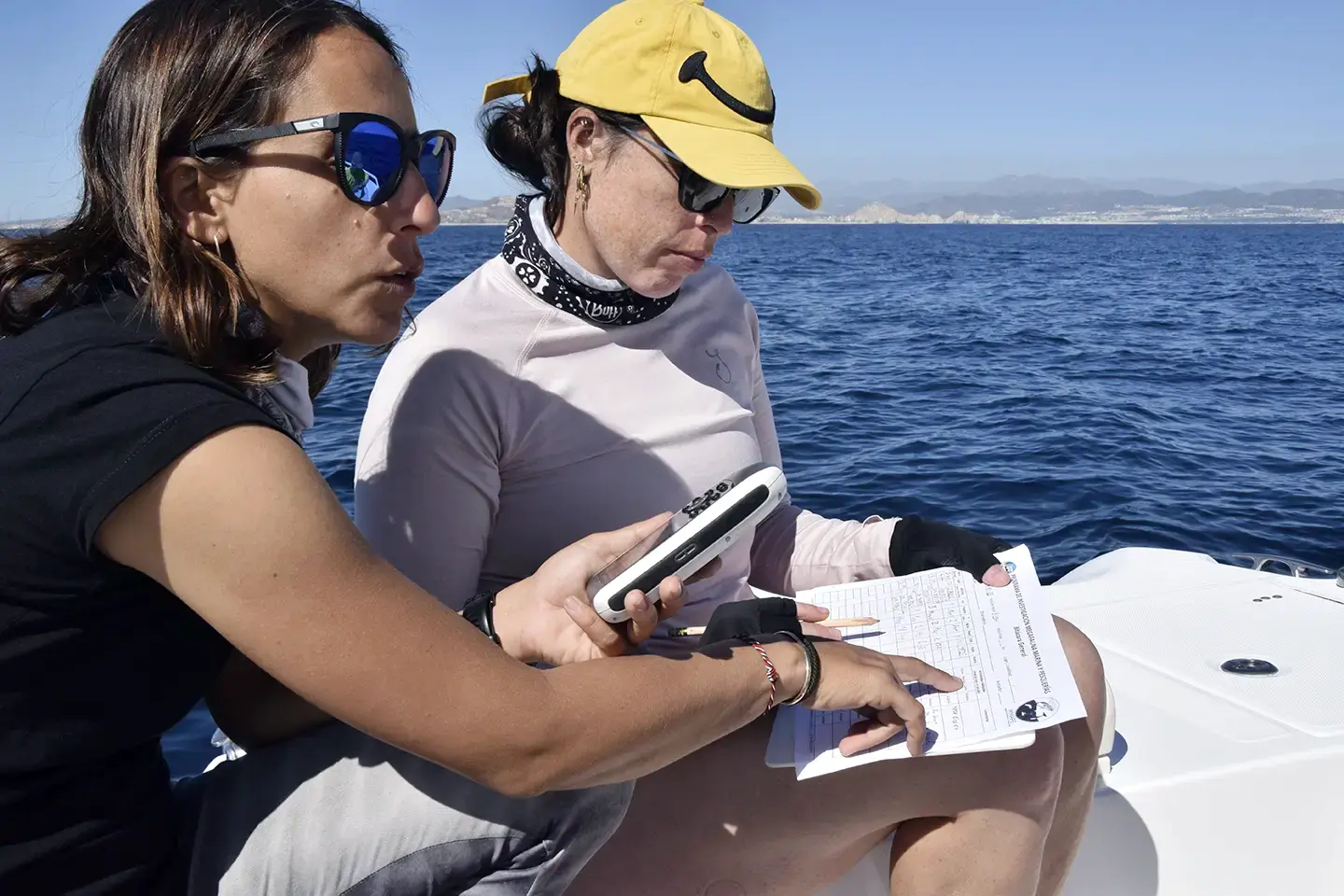
The collection of data is one of the most important parts of citizen science as it can be done widely and is based on fact. The information collected can be used to address research questions such as regional trends, or patterns in biological populations. When related to the ocean, these findings can translate into movements for law changes and protections for the ocean and it’s species.
Why its important
The monitoring and collection of data requires a lot of time and resources. For that reason "Citizen Science" can be crucial in countries like Mexico, a place with high Biodiversity and few resources for research. The data collection made on our trips is publicly shared with marine biologists in the area and used in various ongoing research and conservation projects

Organizations we support

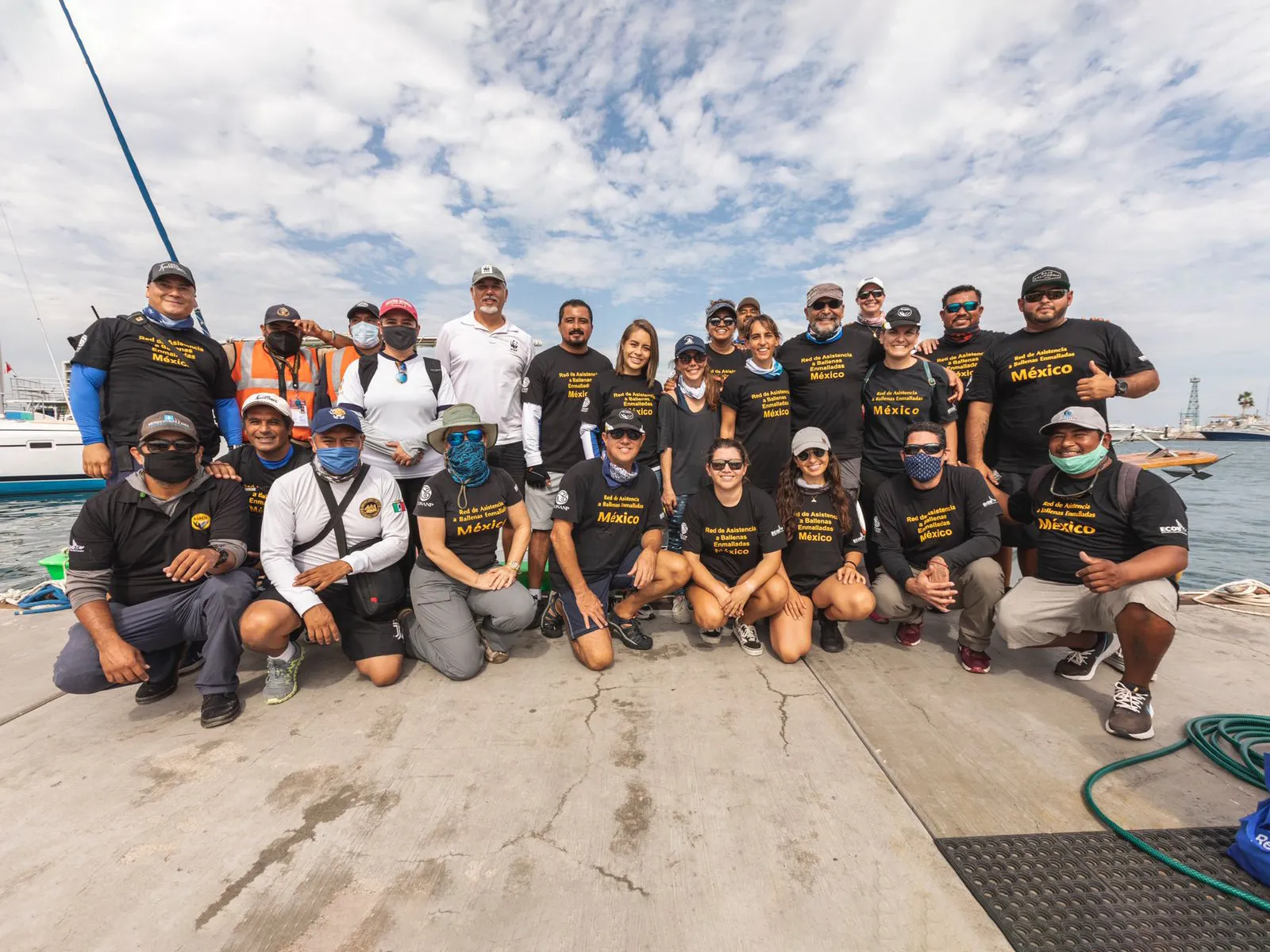
RABEN (Red de asistencia a ballenas enmalladas) is a whale disentanglement network in Mexico, formed by a team of people trained to safely perform rescues of whales entangled in fishing gear. The network is made up of 16 teams along the Mexican pacific coast and the Baja peninsula. The team is made up of passionate volunteers from diverse backgrounds. Raben is dedicated to helping whales following protocols established by the International Whaling Commission.
Between 2012 and 2024 Raben has successfully released 97 whales.
We do our best to support RAEBN and their team members in any way we can and two of our Latitude team are active RABEN volunteers.
If you wish to support RABEN please do so here:

Pelagic Shark Monitoring Program
(Shark Lab Cabo)

We proudly contribute to a long-term research project focused on the pelagic sharks that visit Cabo San Lucas. During our shark tours, we collect data like sea surface temperature, wind conditions, location, as well as species, sex, and maturity stage of the sharks we encounter. This information helps us understand when sharks are most likely to appear, how their populations are changing, and how ocean conditions affect their movements.
We’re fortunate to have Dr. Katy Ayres, one of the marine scientists behind the project, as one of our expert guides! She not only oversees the data collection during tours but also leads the analysis of the full long-term dataset. This research has been published in a peer-reviewed scientific journal (view publication), contributing to global efforts to protect these vulnerable predators and more research is ongoing.

The pelagic monitoring program shows how ecotourism and science can work together, and how each guest who joins us contributes to shark conservation.

The study focused on the following species:

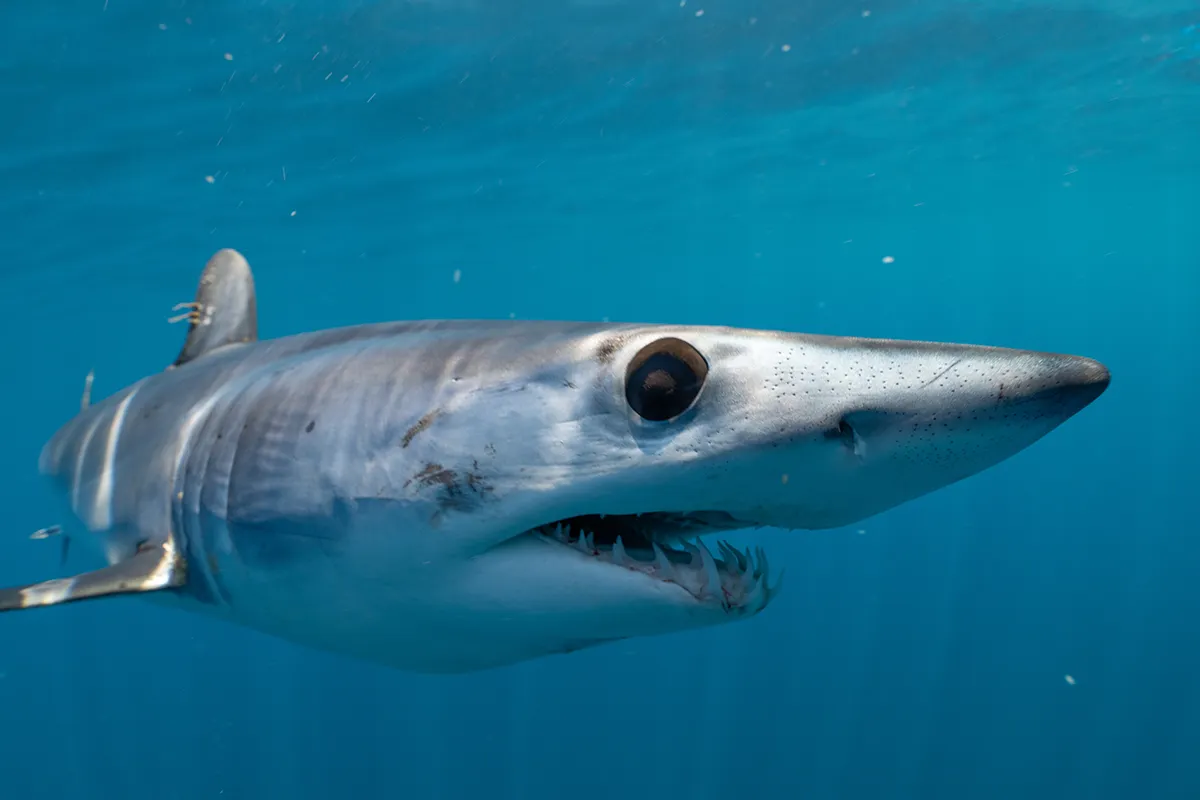
Shortfin mako shark
(Isurus oxyrinchus)

• Fastest shark in the ocean- up to 74 km/h (45 mph)

• Maximum 4 meters (13 feet) long

• Lifespan 30 years

• Deep blue back, silvery-white belly, and large black eyes, pointed snout and long, sharp teeth

• Diet: Tuna and mackerel

• IUCN Status Endangered.
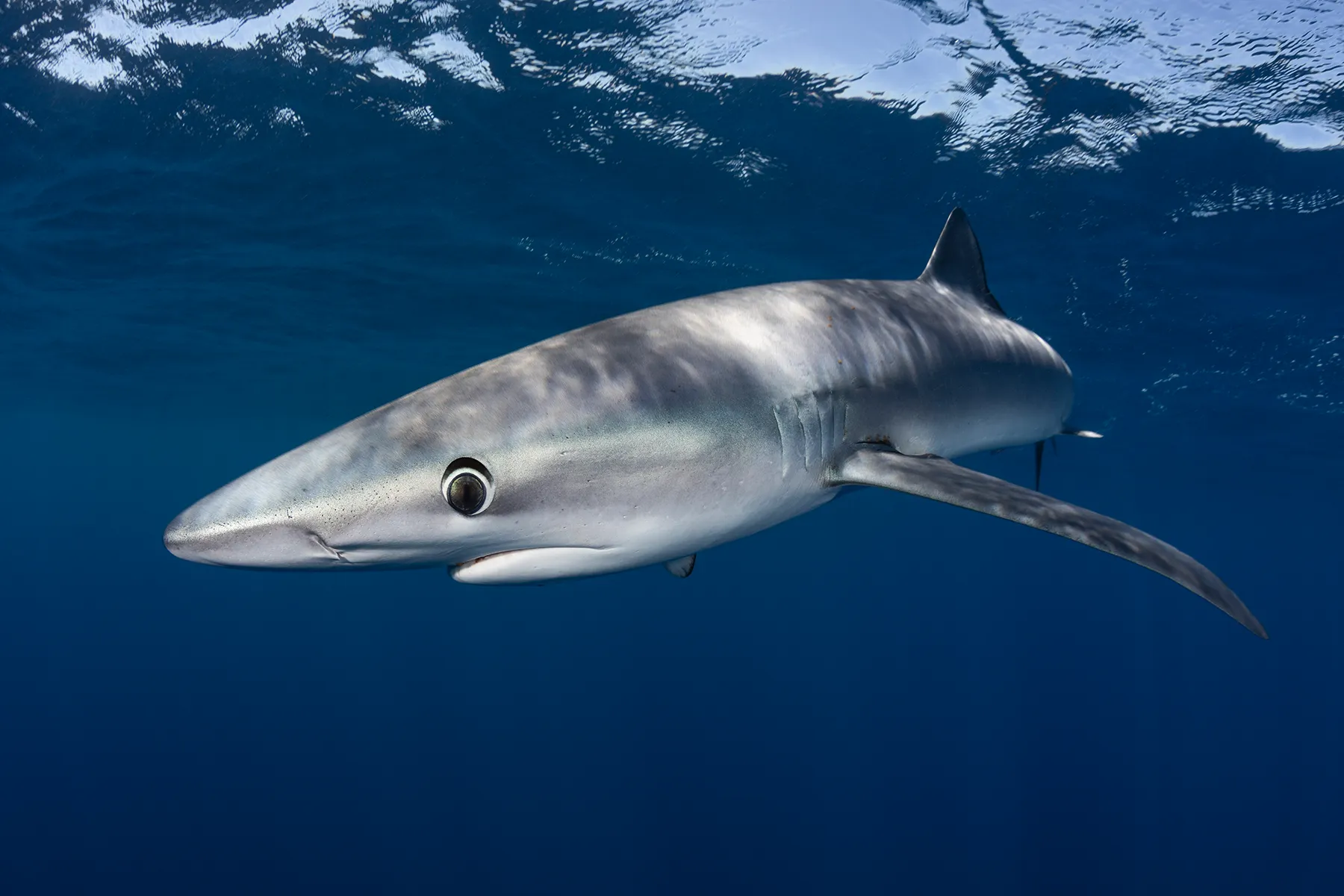
Blue Shark
(Prionace glauca)

• Max speed – up to 56 km/h (35 mph)

• Maximum 3.8 meters (12.5 feet) long

• Lifespan ~20 years

• Vibrant blue coloring on top, bright white underside, and large black eyes. Slender body and long
pectoral fins

• Diet: squid, small fish, and other midwater prey

• One of the most heavily fished sharks on the planet

• IUCN Status Near Threatened.
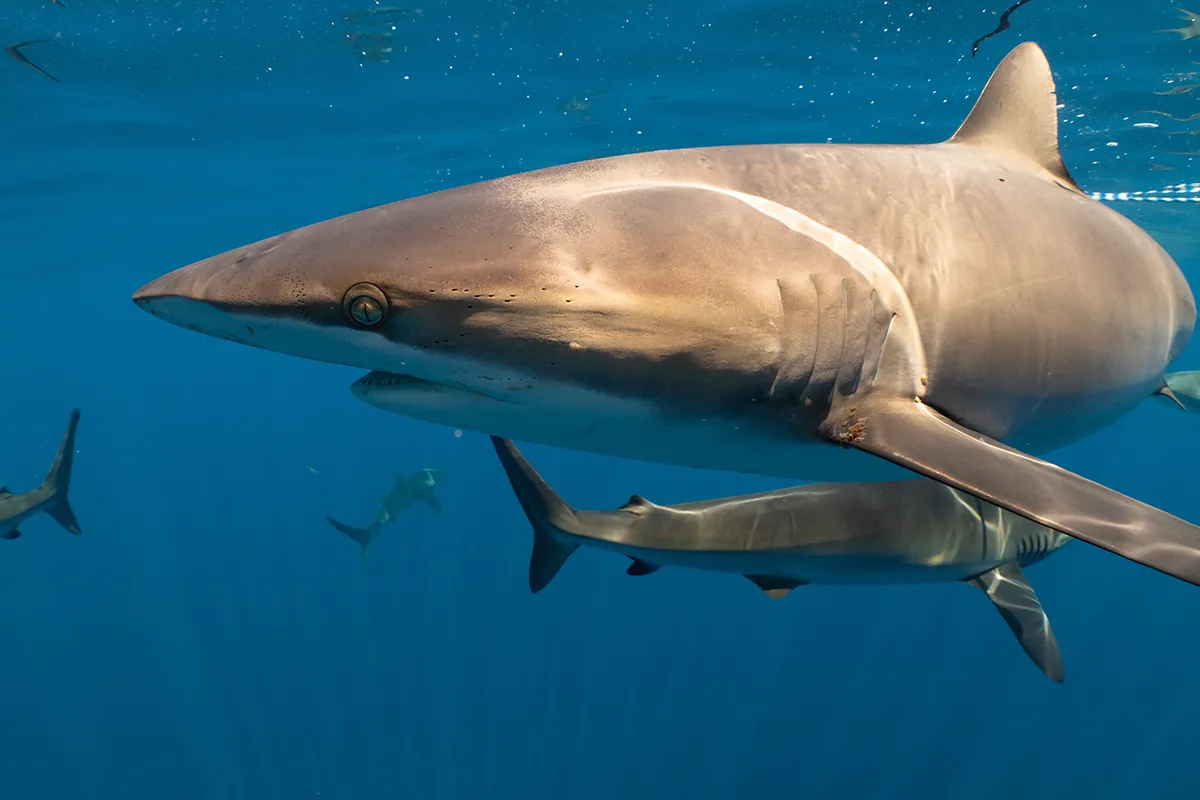
Silky Shark
(Carcharhinus falciformis)

• Maximum 3.5 meters (11.5 feet) long

• Lifespan ~25 years

• Metallic grey or bronze back and a lighter belly, smooth, sleek texture

• Diet: fish, squid, and other pelagic animals

• In summer months, they make large aggregations at seamounts for mating

• IUCN Status Vulnerable
Supporting our Local Captains
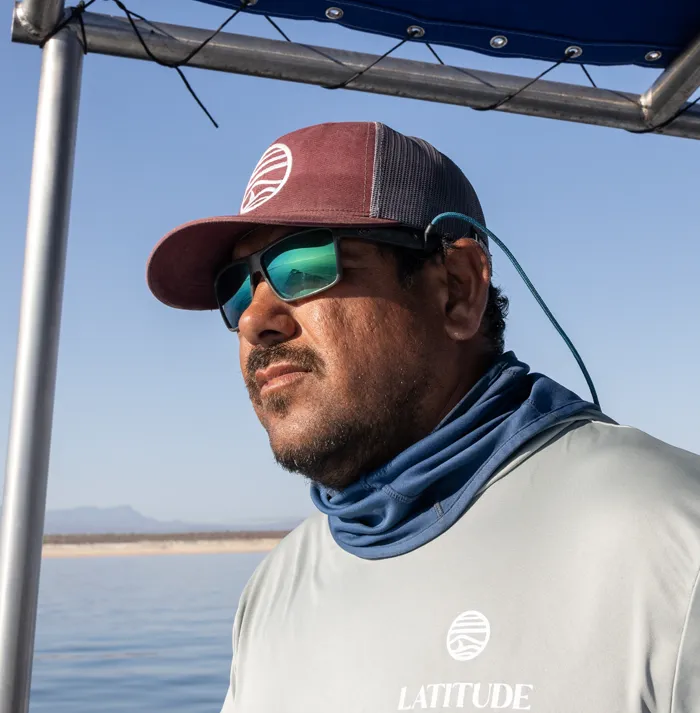
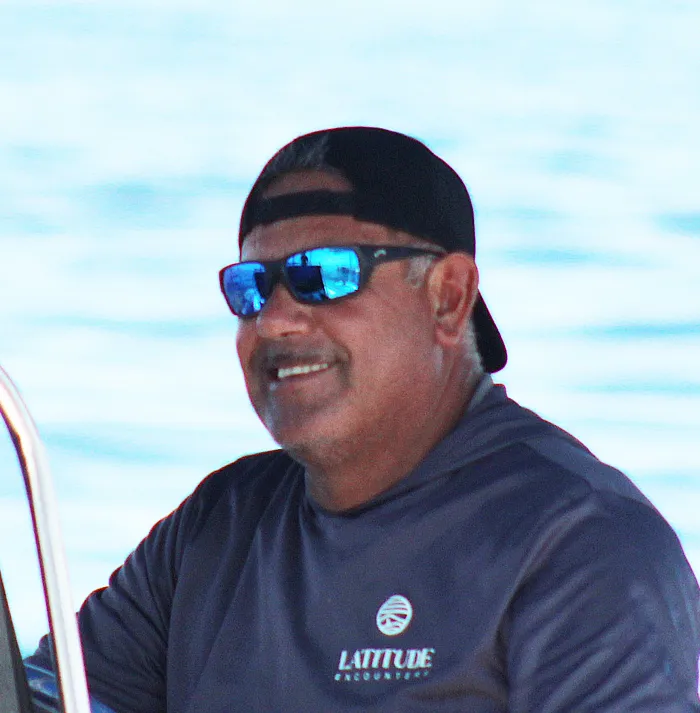
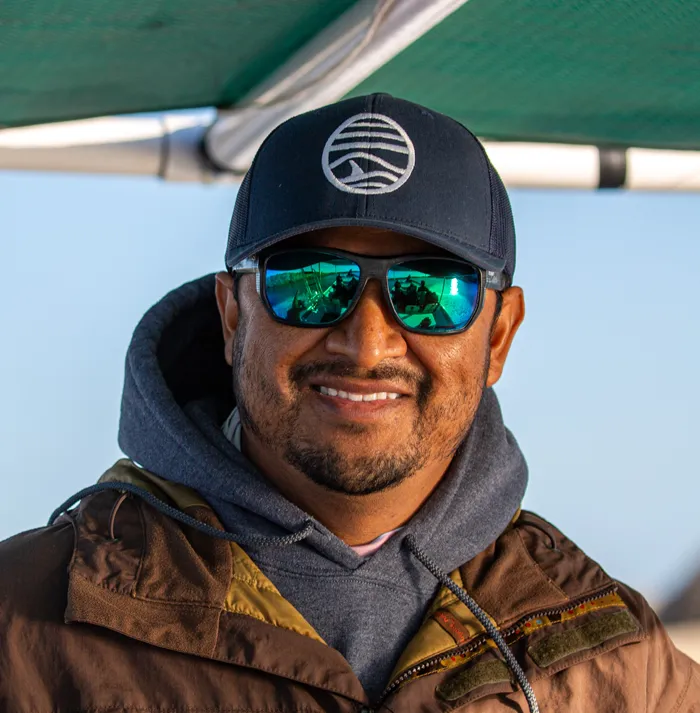
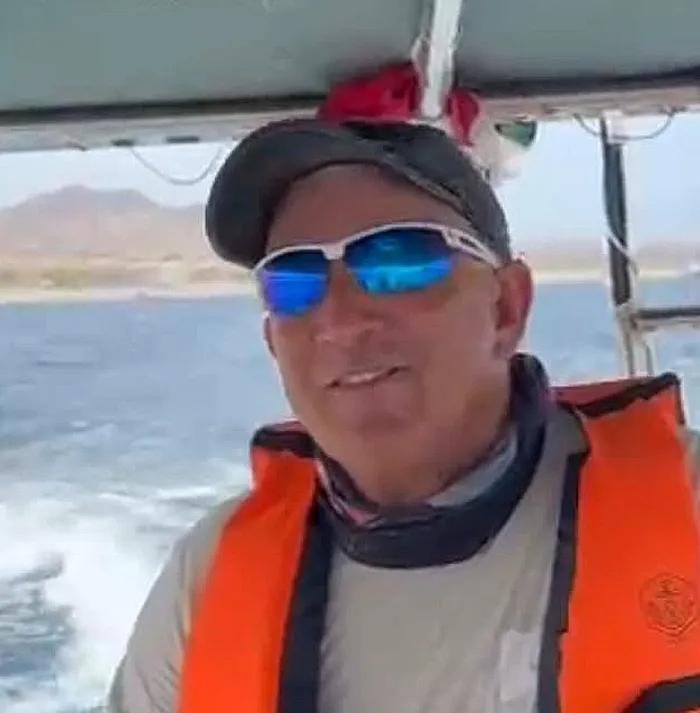
When running our expeditions outside of Los Cabos in places like La Ventana and Magdalena Bay, we recognise that our local captains are the most vital part of the trip. Their hard work and knowledge gained over many years of working in fishing in their local area is our ticket to successful and amazing encounters. We love to see them open up and get excited about exploring and working in the ocean in new and more sustainable ways.

We offer financial support to our captains by not only paying them a fair wage above the local standard but also offer them 0 interest financial loans to invest in their most important possession, their boat. So far we have offered this financial program to four captains in Magbay, La Ventana and Agua Amarga. With these loans they have been able to invest in new boats, new engines, boat maintenance and upgrades that gives them more opportunities for their own business while also providing us with a great platform for our expeditions.

We also support the local community by involving as many people as possible behind the scenes, from local women cooking lunches and dinners for our groups, to community projects. We make sure our captains and their families are happy and enjoy their work with us. They have all become part of our Latitude Family.
Supporting our Local Captains

cerrar